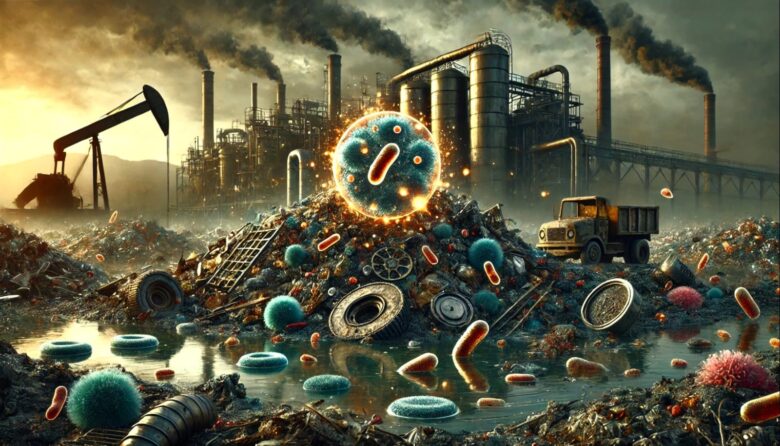
The world produces more than 400 million tons of plastic per year (Houssini, Li, & Tan, 2025), and that number keeps on rising. Much of it is used once and then discarded into water bodies and landfills, which then choke oceans and clog rivers.
Tonnes of plastic waste are a visible symbol of our throwaway culture, which is built on convenience and low cost. But could this environmental menace be transformed into something of greater value?
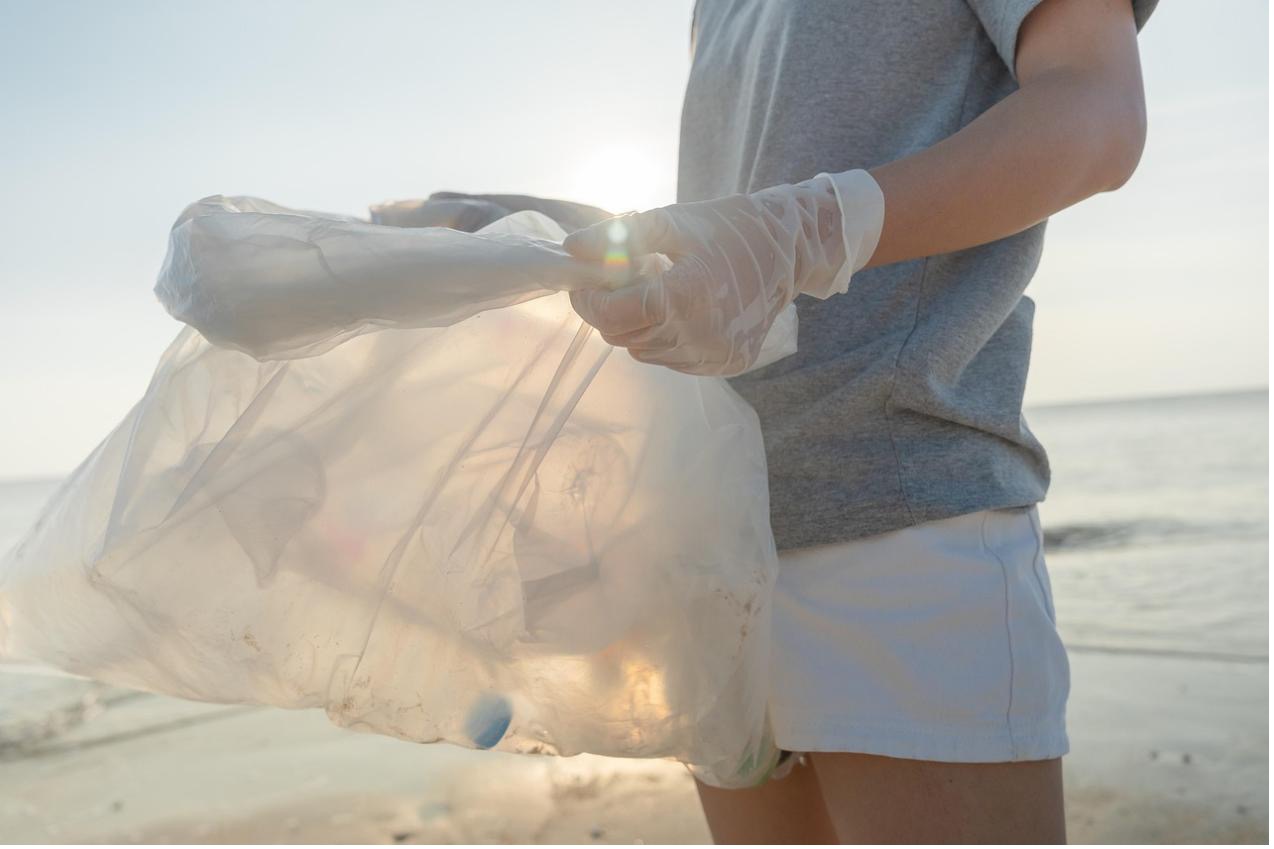
Organizations, social workers, and governments in some parts of the world are experimenting with the concept of using plastic as currency. One such example is the Plastic Bank, founded in 2013, which operates in parts of the Philippines, Egypt, Brazil, and Indonesia. Plastic is being collected, sorted, and exchanged for goods and services. Instead of being treated as waste, it’s now being traded for groceries, digital payments, and coupons (Bernat, 2023).
Communities can solve this global problem by giving value to the usually discarded plastic. This would result in people seeing it more like an opportunity rather than a pile of waste. Streets become cleaner, rivers become less clogged; families gain access to food, education, or income by participating in this new plastic-based economy.
A plastic bottle collected from a roadside in Manila or a discarded food container found in a canal in Nairobi can now be used as a form of currency. Through this, we can effectively blur the line between economic opportunity and environmental efficiency. It offers a glimpse into a future where solving ecological problems isn’t a sacrifice but an innovation and shared benefit.
Why Plastic Waste Matters
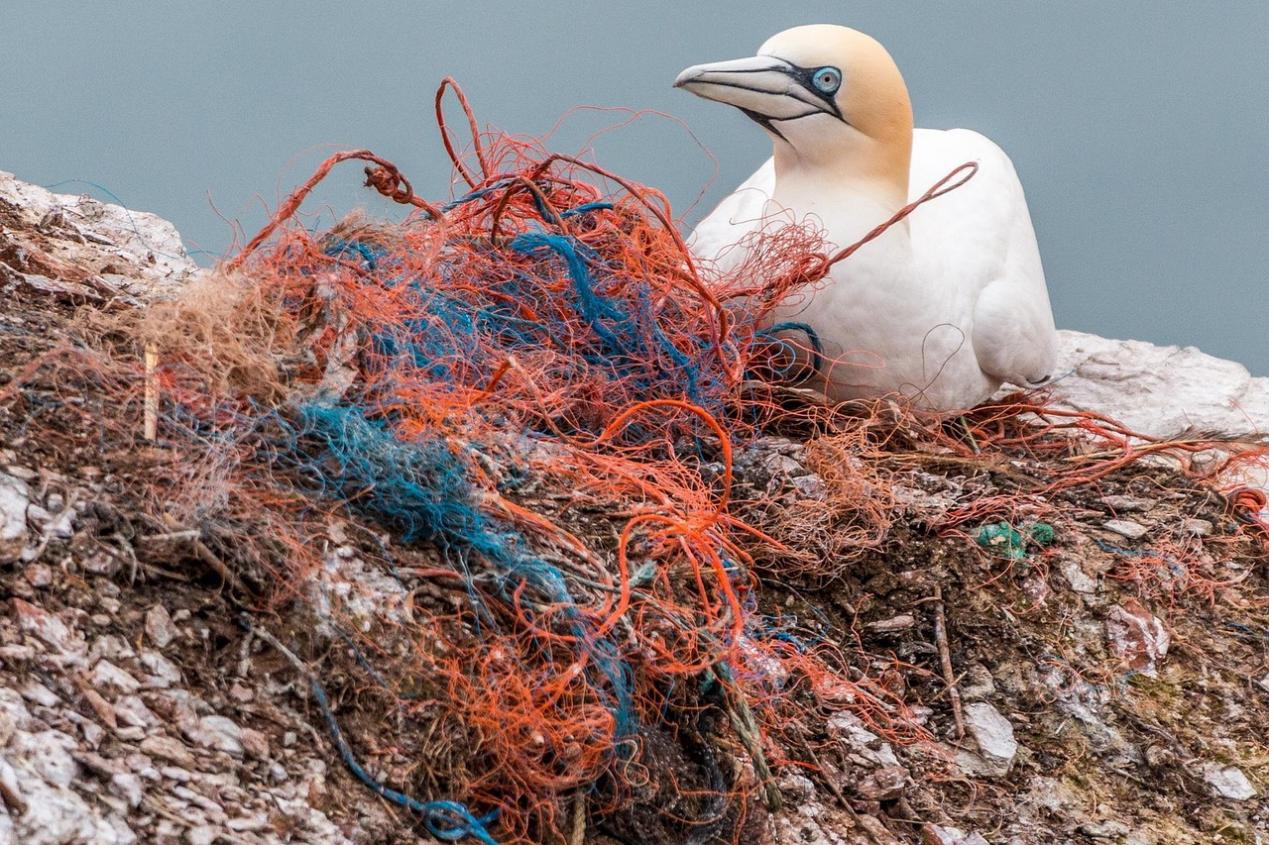
Plastic is used in wrapping food, packaging products, and manufacturing various and sundry items. Its versatility and low cost have made it an integral part of modern life. Yet those same qualities have created one of the most pressing environmental challenges of our time, as plastics do not decompose like organic materials.
A single plastic bottle can take 450 years to break down (LeBlanc, 2017) – which, even then, instead of decomposing completely, breaks down into microfragments that pollute the environment indefinitely.
Only about 10% of the plastic produced has ever been recycled (Walker, 2025), while the rest has been discarded, burned, or buried in nature. This has social and economic repercussions as well, because inadequate infrastructure for waste management can lead to drainage issues, which in turn can cause disease outbreaks.
Communities living near waste dumps often experience health issues from water contamination or toxic smoke. This is mainly faced by low-income neighbourhoods that are unable to manage them (Browning, Beymer-Farris, & Seay, 2021).
Plastics are inexpensive and disposable; perhaps most people do not think twice before throwing them away. This throwaway mindset controls a cycle of production and wastage. This issue highlights another systemic issue: our linear economic model.
We use resources, turn them into products, use them briefly, and then discard them. We have built this cycle that treats valuable materials as disposable and externalizes the cost of their waste to the environment and vulnerable communities.
Plastic as a New Form of Currency
The basic idea is that instead of throwing away plastic, people bring it to designated collection points. These collection points could be set up by the government, NGOs or businesses that have a use for recycled plastic (Wang, Miao, & Chen, 2022).
At the collection centre, the plastic waste is weighed, given a value per kilogram, and sorted into different types. People can exchange it for credit, food, public transport tokens or essential goods.
The collected plastic is cleaned, processed, and sold to businesses as a raw material. This generates funds for the program while integrating it into the circular economy, where materials are processed and reused instead of being discarded. Moreover, local businesses that use recycled plastic as a raw material can support these systems by offering discounts or rewards to participants.
Can Plastic Really Become Money?
The idea of turning plastic into currency is inspiring, with considerable potential, but it also presents significant challenges. Implementing such ideas requires more than just goodwill; it demands good infrastructure, technology, social awareness, and policy support (Ahmed, 2023).
One of the biggest challenges is collection and sorting. Plastics come in different compositions; some are easily recyclable, while others are not recyclable at all. Cleanly sorted plastics are more valued and easier to process (Merrington, 2024). They should be properly classified to prevent unwanted chemical reactions and to avoid damage to recycling equipment. In addition to that, careful sorting is labor-intensive and expensive, but is integral to preventing contamination.
Another major hurdle is infrastructure and logistics, as collection centers and processing facilities are essential for these initiatives to succeed. Many pollution-affected areas lack the required resources to build and operate such systems (Kerdlap et al., 2023).
Even after collection, transporting material to recycling plants and buyers can be costly – a lot higher in remote or underserved areas. Without strong logistical support, the value chain breaks down, and plastic loses its value as a resource.
Conclusion – Waste to Worth
At its heart, this movement is about more than recycling. It’s about reimagining value itself. What we discard readily can uplift communities, improve lifestyles, and heal the planet. Economic growth and environmental action don’t always have to be at odds, but can align for a more sustainable and realistic approach.
In a world drowning in plastic, it may be wise to reconsider what we discard as trash. The solution might not simply be to reduce or throw away less, but to envision a future where plastic is used as a currency. This approach could create an opportunity for change, and the problem becomes part of the solution.
References
Ahmed, S. (2023). Three ways to solve the plastics pollution crisis. Nature, 616(7956), 234-237.
Bernat, K. (2023). Post-consumer plastic waste management: From collection and sortation to mechanical recycling. Energies, 16(8), 3504.
Browning, S., Beymer-Farris, B., & Seay, J. R. (2021). Addressing the challenges associated with plastic waste disposal and management in developing countries. Current Opinion in Chemical Engineering, 32, 100682.
Geyer, R., Jambeck, J. R., & Law, K. L. (2017). Production, use, and fate of all plastics ever made. Science advances, 3(7), e1700782.
Houssini, K., Li, J., & Tan, Q. (2025). Complexities of the global plastics supply chain revealed in a trade-linked material flow analysis. Communications Earth & Environment, 6(1), 257.
Kerdlap, P., Purnama, A. R., Low, J. S. C., Tan, D. Z. L., Barlow, C. Y., & Ramakrishna, S. (2023). Life cycle cost analysis of distributed versus centralized plastic sorting and recycling. Journal of Industrial Ecology, 27(1), 297-311.
LeBlanc, R. (2017). How long does it take garbage to decompose. Dipetik dari
Merrington, A. (2024). Recycling of plastics. In Applied plastics engineering handbook (pp. 191-217). William Andrew Publishing.
Walker, T. R. (2025). Recycling alone cannot end the plastic pollution crisis. Cell reports Sustainability, 2(9).
Wang, E., Miao, C., & Chen, X. (2022). Circular economy and the changing geography of international trade in plastic waste. International Journal of Environmental Research and Public Health, 19(22), 15020.